
Hyperbaric Simulation Systems & High-Pressure Vessels
Engineering the world's most resilient subsea testing environments. Our bespoke hyperbaric chambers are designed for extreme pressures up to 60,000 PSI (4,000 bar), ensuring your critical offshore components are field-ready.
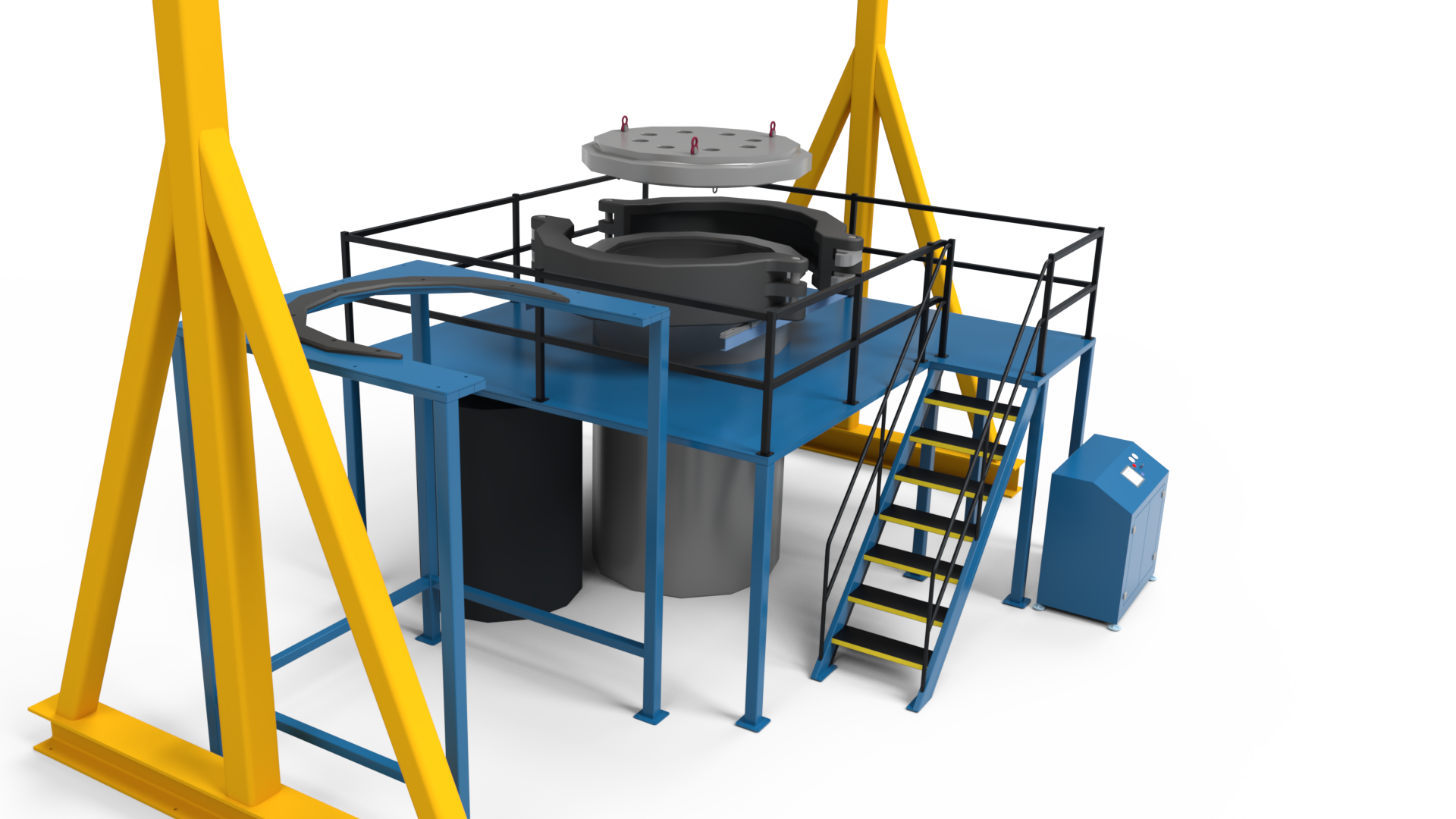
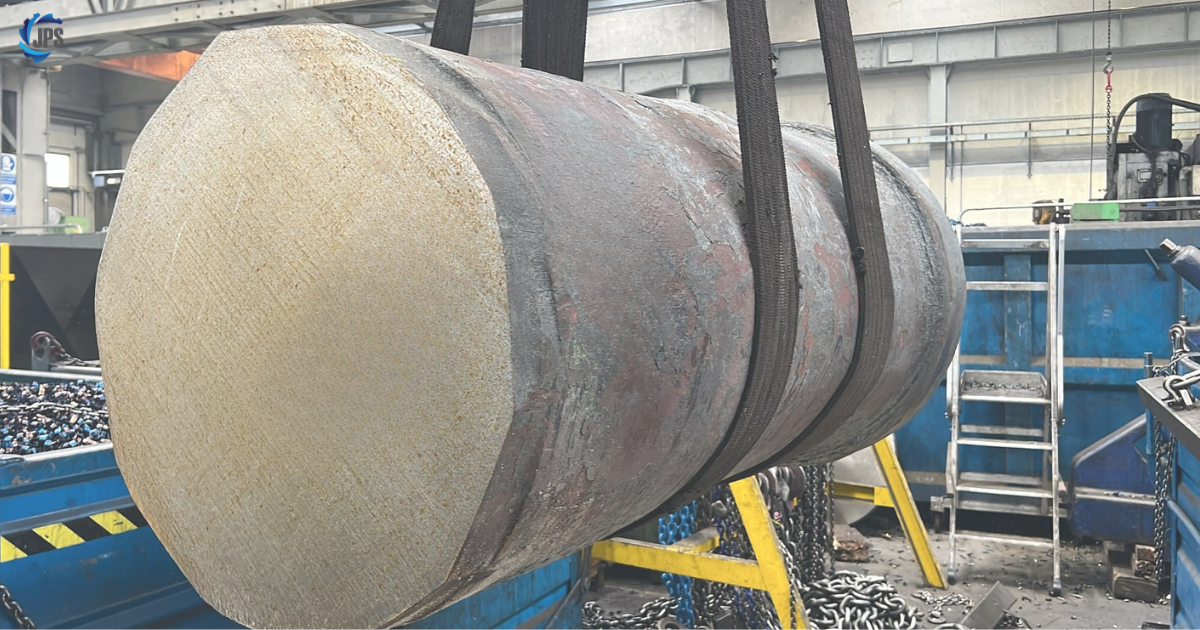

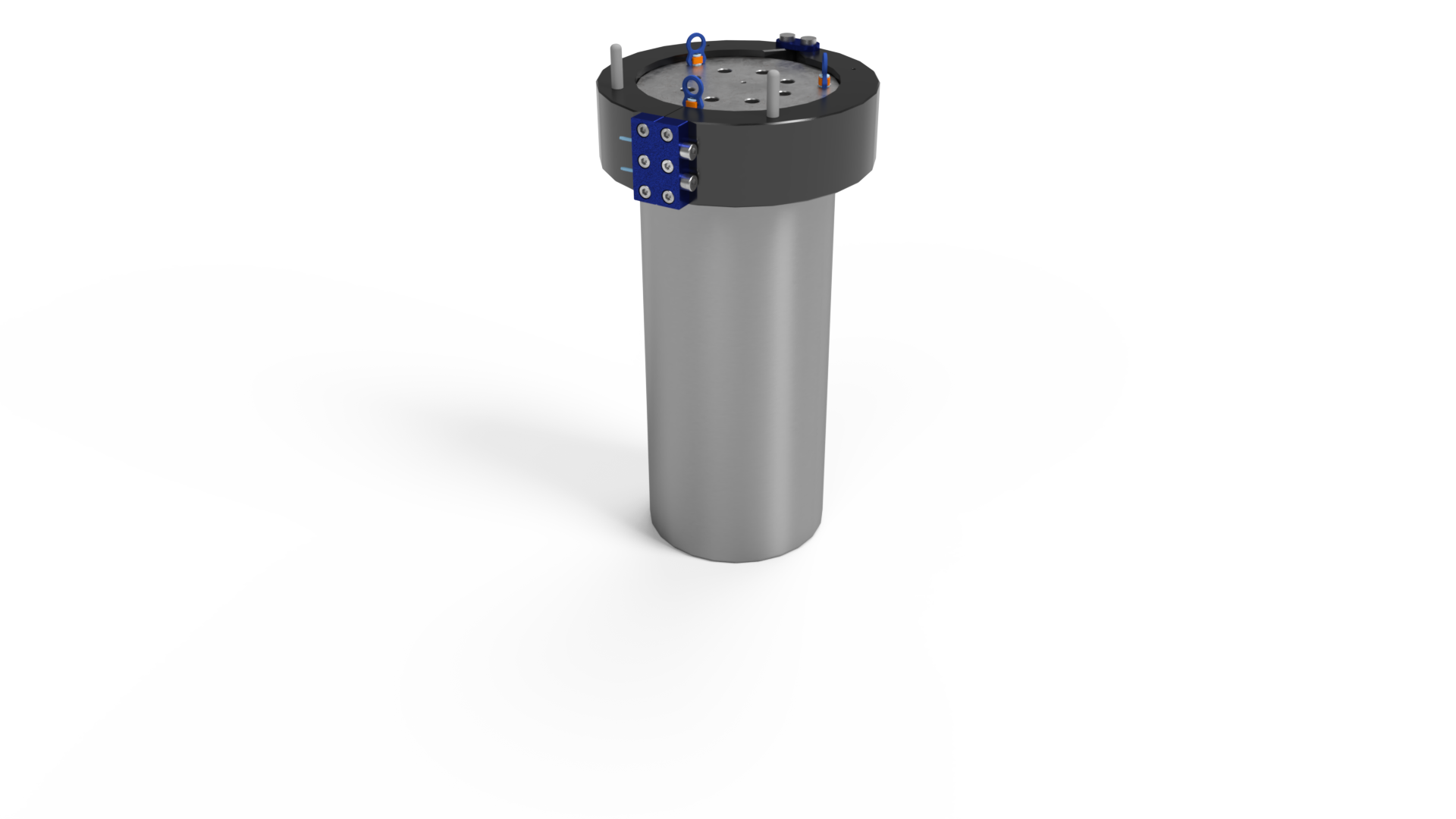
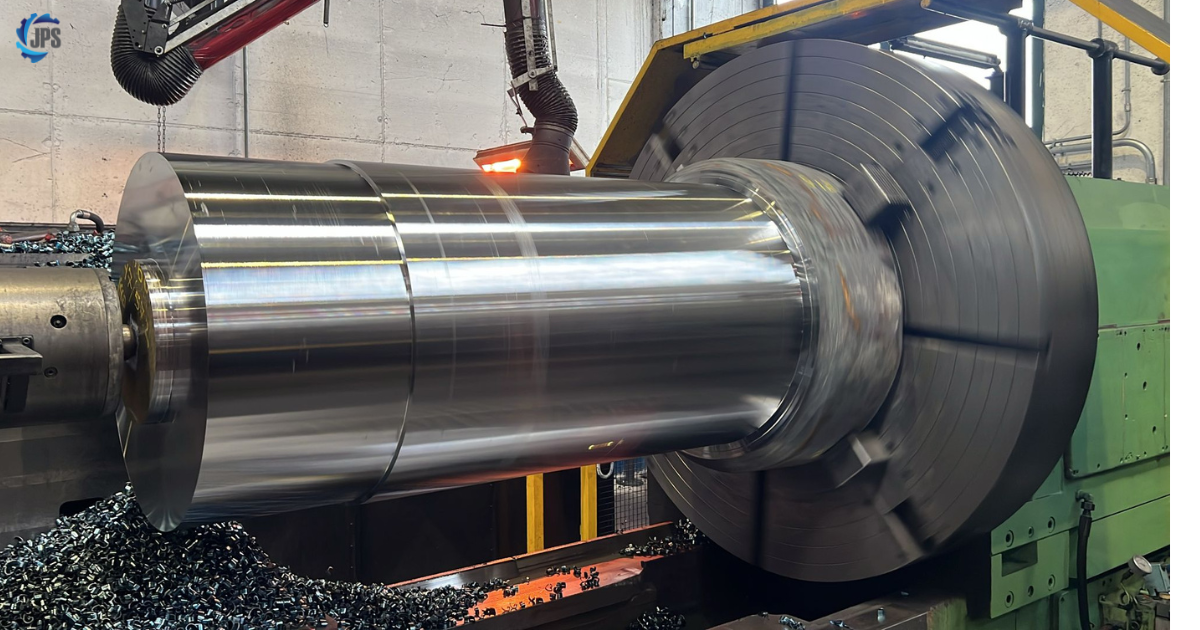
Stop the guess work, iterate faster and ensure customer confidence with product testing & compliance.
Technical specifications:
Hyperbaric chamber from 100mm to 3000mm.
Pressure ranges from 20-4000+ bar.
Vessels and products designed to ASME 8, PD5500 or EN13445 and in accordance with the PED and PESR 2016.
Fully automated filling and draining.
Automated Control of pressurisation and de-pressurisation rates.
Cycle testing to repeat the test profiles as many times as required automatically.
Accurate heating and chilling with control to test specifications.
Other custom ancillaries for the above systems can be designed to provide a complete out of the box system to your requirements.
Test systems suitable for API 17, PR2 testing, SEPS and more.
Interlocks ensure safe operation to meet event the strictest of sites.
Systems to carry out Hydrostatic and Hyperbaric testing.
Industries and Special Applications
-
The Challenge: Ensuring long-term signal and power integrity at extreme ocean depths where even the smallest seal failure is catastrophic.
Our Capability: We provide integrated systems for the qualification of electrical, optical, and hybrid connectors. Our vessels support Live Electrical Monitoring (LEM) and can be equipped with specialized penetrators for real-time data acquisition during pressure cycles.
Standards & Compliance: Built to facilitate testing in accordance with API 17F, 17E, and SEPS requirements, simulating the harshest seabed conditions, including sand/silt replication and thermal shock.
-
The Challenge: Autonomous vehicles and robotic housings must withstand thousands of pressure cycles without fatigue or structural deformation.
Our Capability: Our systems specialize in Automated Cyclic Testing, allowing you to simulate the entire lifecycle of an ROV/AUV in a matter of days. We offer precise control over linear pressure ramping and dwell times, ensuring that housings, sensors, and camera pods are validated for mission-critical deployments.
Extreme Depth Simulation: With pressure capabilities up to 60,000 PSI, we can simulate environments far exceeding the deepest known ocean trenches.
-
The Challenge: Defence projects require high levels of repeatability, safety, and data security during the validation of naval and sub-surface equipment.
Our Capability: J Pope Solutions provides robust, fail-safe testing environments for sonar arrays, hydrophones, and submarine components. Our systems feature tamper-proof data logging and secondary safety interlocks to meet the stringent requirements of naval engineering.
Compliance: Fully compliant with PESR 2016 and ASME VIII, providing the documented "Gold Standard" of safety required for government and defence contracts.
-
The Challenge: Measuring the precise buoyancy loss of syntactic foams and macrospheres under sustained high-pressure exposure.
Our Capability: We design vessels specifically for Instrumented Buoyancy Loss (IBL) testing. Our systems allow for highly accurate measurement of water absorption and volumetric change over time.
Technical Precision: Using high-accuracy load cells and sensitive pressure transducers, we provide the data necessary for buoyancy manufacturers to guarantee depth ratings for deep-water modules.
-
The Challenge: Wellhead components, valves, and actuators must maintain 100% pressure containment while operating in high-pressure, high-temperature (HPHT) subsea environments. Failure in these systems can lead to catastrophic environmental and financial consequences.
Our Capability: J Pope Solutions designs hyperbaric systems specifically for the rigorous qualification of subsea Christmas trees, wellhead connectors, and gate valves. Our vessels support integrated PR2 performance verification, allowing for dynamic cycling of actuators and valve stems while under full hyperbaric load.
API Standards & Compliance: Our equipment is engineered to facilitate testing in accordance with API 6A (Surface/Subsea Wellheads) and API 17D (Subsea Production Systems). We provide the precise control required for the 200+ hyperbaric cycles and endurance testing sequences mandated for deep-water deployment.
HPHT & Gas Testing: Beyond standard hydrostatic testing, our systems can be configured for high-temperature simulations and gas-tightness verification, ensuring all seals—from metal-to-metal to elastomers—perform to their specified Product Specification Level (PSL 3/3G).
-
The Challenge: Decommissioning requires verifying the structural integrity of aging assets before removal to prevent environmental leaks or mechanical failure during recovery operations.
Our Capability: We provide testing systems and services to validate the pressure-holding capacity of "Late-Life" subsea valves and manifolds.
Safe Recovery Validation: Our chambers are used to test cutting tools, capping stacks, and subsea connectors to ensure they can handle the loads required for safe asset retrieval. We help operators meet the strict decommissioning standards set by OPRED and the Energy Act 2004.
Compliance: All systems and services are fully documented and compliant with PESR 2016 and ASME VIII, providing the rigorous audit trail required by environmental regulators and government bodies.
-
The Challenge: As offshore wind moves into deeper waters and adopts floating platforms (FOW), dynamic cables and high-voltage (HV) inter-array systems face unprecedented mechanical and electrical fatigue.
Our Capability: J Pope Solutions provides the extreme-pressure environments needed to qualify 66kV+ subsea cables and their associated termination assemblies. Our systems allow for Resonance Testing and Hyperbaric Ingress Verification to ensure that high-voltage harnesses remain water-tight and electrically sound under constant deep-sea pressure.
Specialised Testing: We facilitate dynamic cable fatigue validation and thermal analysis, simulating the environmental loads, currents, and temperatures these systems must endure over a 25-year lifecycle.
Compliance: Engineered to support testing in accordance with IEC 63026 and CIGRE recommendations for subsea power cables and umbilicals.
Engineered for Compliance
-
We provide the control and containment necessary to qualify critical infrastructure against the core API and ISO frameworks:
API 6A (ISO 10423): Full support for Wellhead and Christmas Tree equipment qualification, including PSL 1, 2, 3, 3G and the demanding PR2 (Performance Requirement) verification.
API 17F (ISO 13628-6): Precision hyperbaric environments for Subsea Production Control Systems.
API 16F: Robust simulation systems for the qualification of Marine Drilling Riser Equipment.
-
Our chambers are built to handle the specialized fluids and environmental conditions required for metallurgy and coating validation:
Sour Service (H2S) Testing: Fully compatible with NACE TM0177 (Stress Corrosion Cracking), NACE TM0198 (Slow Strain Rate), and NACE TM0284 (Hydrogen-Induced Cracking).
Alloy Qualification: Compliance with EFC Publication No. 16 and No. 17 for Carbon, Low Alloy Steels, and Corrosion Resistant Alloys (CRAs) in sour Oil and Gas environments.
Stress-Corrosion: Engineered to facilitate ASTM G38, G49, G64, and G139 stress-corrosion protocols.
-
Precision automated pressure ramping and data logging allow for exact fatigue life modeling:
Fatigue Crack Growth: Systems designed to support ASTM E647 for measuring fatigue crack growth propagation (da/dN).
Tensile & Strain Testing: Automated control systems capable of maintaining the steady rates required for ASTM G129 Slow Strain Rate Testing (SSRT) and Constant Extension Rate Tensile Testing (CERT).
-
Every JPS system is designed, manufactured, and certified in accordance with:
Pressure Vessel Codes: ASME VIII Div 1 & 2, PD5500, or EN13445.
Regulatory Compliance: Full adherence to PED (Pressure Equipment Directive) and PESR 2016 (Pressure Equipment Safety Regulations).